Evaluating the Class of 2026 Embroidery Design: A Practical Guide for Creators and Small Business Owners
The transition from academic planning to tangible product creation is a critical phase for embroidery enthusiasts and small business owners alike. When selecting digital assets for production, the distinction between a standard graphic file and a professionally digitized embroidery design cannot be overstated. The Class of 2026 embroidery design represents a specific intersection of timely relevance and technical precision. For those looking to produce commemorative apparel, graduation gifts, or branded merchandise, understanding the nuances of this design’s construction is essential before committing to production runs.
This analysis explores the practical applications, technical strengths, and potential limitations of using the Class of 2026 design. It aims to help creators make informed decisions by comparing digitized embroidery against other decoration methods and evaluating how this specific asset fits into broader workflows for hats, bags, hoops, and apparel.
Understanding Digitized Embroidery vs. Standard Graphics
Before diving into the specifics of the Class of 2026 design, it is vital to distinguish between a raster image (like a JPEG) and a digitized embroidery file (such as .PES, .DST, or .EXP). Many newcomers to the industry attempt to print designs directly onto fabric, only to find that the results lack durability and texture. Embroidery involves translating visual elements into stitch paths, thread colors, and tension settings.
A professionally digitized design like the Class of 2026 asset is not merely a picture; it is a set of instructions for an embroidery machine. This process involves:
- Stitch Type Selection: Determining where to use satin stitches for clean edges and fill stitches for larger areas.
- Tension Management: Ensuring the thread does not pucker the fabric or become loose on the backside.
- Underlay Stitches: Adding foundational stitches to stabilize the fabric, particularly important for stretchy materials like jersey knits used in t-shirts.
The Class of 2026 design leverages these techniques to ensure that text remains legible and graphical elements retain their shape after washing and wear. This level of detail is what separates a high-quality commercial product from a amateur craft project.
Technical Strengths of the Class of 2026 Design
When evaluating the Class of 2026 design, several technical attributes stand out as key differentiators. These features contribute to its suitability for both personal projects and commercial sales.
Clean Stitching and Smooth Details
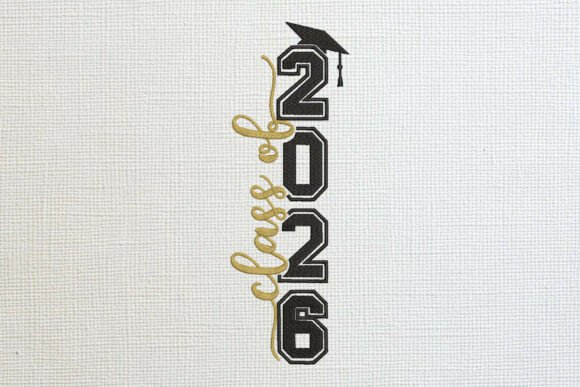
The primary advantage of this design lies in its execution. Clean stitching refers to the absence of visible gaps, overlapping errors, or tangled threads. For a design featuring text, such as "Class of 2026," clarity is paramount. If the lettering is poorly digitized, it can appear muddy or difficult to read, especially when scaled down on smaller items like patches or hat fronts. This design utilizes precise satin stitches for outlines, ensuring sharp definition even at smaller hoop sizes.
High-Quality Digitizing Standards
Professional digitizing accounts for the physical properties of thread. Unlike ink, which sits on top of fabric, thread has thickness and requires space. A well-digitized design minimizes unnecessary movement of the needle, reducing the risk of thread breaks and machine downtime. The Class of 2026 design appears optimized for common home and commercial machines, meaning users are less likely to encounter compatibility issues during setup.
Versatility Across Substrates
One of the most significant value propositions of this design is its adaptability. It is engineered to perform well on a variety of materials:
- Hats: Structured caps require designs that conform to curved surfaces without distorting. The digitizing likely includes pull compensation adjustments to prevent warping.
- Totes and Bags: Canvas and cotton blends are sturdy but can be thick. The design’s density is likely balanced to penetrate these fabrics without being overly stiff.
- Apparel: Whether on polo shirts or sweatshirts, the design maintains its integrity through multiple wash cycles.
Comparative Analysis: Embroidery vs. Other Decoration Methods
For small business owners and gift makers, choosing embroidery is often a decision made against alternatives like screen printing, heat transfer vinyl (HTV), or direct-to-garment (DTG) printing. Understanding where the Class of 2026 design excels helps clarify why one might choose this route.
Embroidery vs. Screen Printing
Screen printing is cost-effective for large bulk orders with simple color palettes. However, it lacks the tactile premium feel that embroidery provides. The Class of 2026 design offers a textured, three-dimensional quality that screen printing cannot replicate. Furthermore, embroidery is more durable over time; while screen-printed ink may crack or fade, embroidered thread retains its vibrancy. For graduation memorabilia, which is often kept as a keepsake, embroidery holds superior sentimental and physical longevity.
Embroidery vs. Heat Transfer Vinyl (HTV)
HTV is accessible for beginners due to lower startup costs. However, HTV can feel heavy and plastic-like on fabric, and it may peel or crack with repeated washing. The Class of 2026 design, when executed via embroidery, integrates seamlessly into the fabric weave. It breathes better than vinyl and offers a more professional finish. Additionally, embroidery allows for complex color gradients and fine details that are difficult to achieve with single-color vinyl sheets.
Embroidery vs. Direct-to-Garment (DTG)
DTG printing allows for photorealistic images and unlimited colors. However, it struggles with dark fabrics without pre-treatment, and the print can sometimes feel soft or disappear into the fabric texture. Embroidery stands out against dark backgrounds, providing high contrast and visibility. For a bold statement like "Class of 2026," the contrast provided by thread against navy, black, or maroon garments is visually striking and immediately legible.
Ideal Use Cases and Best-Fit Situations
Not every project requires the Class of 2026 design. Evaluating your specific needs will determine if this asset is the right choice.
Graduation Merchandise and Gifts
This is the primary use case. Parents, friends, and students themselves often seek personalized mementos. The design works exceptionally well for:
- Graduation Caps: While many schools have restrictions, some allow subtle embroidery on the band or side.
- Tote Bags: A classic graduation gift, allowing graduates to carry books or personal items in style.
- Hats and Beanies: Seasonal appropriateness varies, but a well-executed cap design is a staple accessory.
Small Business Inventory
If you run a boutique selling school spirit wear, this design offers a low-risk inventory item. Because it is digitally stored, you can print-on-demand or embroider-to-order, eliminating the need for large upfront stock purchases. The professional quality ensures customer satisfaction and reduces return rates associated with poor craftsmanship.
Club and Organization Apparel
Senior year clubs, honor societies, or sports teams often require uniformity. The Class of 2026 design can serve as a unifying element for group photos and events, projecting a sense of pride and accomplishment.
Limitations and Considerations
While robust, the Class of 2026 design is not a universal solution. There are tradeoffs to consider.
Fabric Compatibility
Embroidery adds weight and stiffness to fabric. On delicate materials like silk or thin rayon, the design may cause puckering or distortion. It is best suited for medium-to-heavyweight fabrics such as cotton, polyester blends, denim, and canvas. Always test on a scrap piece of the final material first.
Complexity and Cost
Compared to simple iron-ons, embroidery requires specialized equipment. If you do not own a machine, you must factor in the cost of outsourcing production. Additionally, highly detailed designs take longer to stitch, increasing production time. Ensure the Class of 2026 design’s stitch count aligns with your timeline and budget constraints.
Machine Limitations
Although designed for broad compatibility, some older or entry-level machines may struggle with certain thread types or high-density areas. Check your machine’s manual for recommended file formats and maximum hoop sizes to ensure seamless operation.
Decision Framework: Is This Right for You?
To determine if the Class of 2026 design is the optimal choice, consider the following checklist:
- Do you prioritize durability and texture? If yes, embroidery is superior to prints or vinyl.
- Is your target audience seeking a premium feel? Embroidered goods are perceived as higher value than printed ones.
- Are you working with suitable fabrics? Ensure your substrates can handle the weight of the stitching.
- Do you have the necessary tools? Verify that your machine supports the file format and size requirements.
If you answered affirmatively to these points, the Class of 2026 design offers a reliable, professional-grade solution for bringing your creative vision to life. Its clean stitching and smooth details ensure that the final product reflects the significance of the milestone it commemorates.
Conclusion
Selecting the right design asset is a foundational step in successful embroidery projects. The Class of 2026 design stands out for its technical proficiency, versatility, and aesthetic appeal. By understanding its strengths in comparison to other decoration methods and recognizing its ideal use cases, creators and business owners can leverage this design to produce high-quality, meaningful products. Whether for personal keepsakes or commercial ventures, this professionally digitized asset provides the foundation for beautiful embroidery results that endure.