Cute Elf ABC Embroidery Design: A Practical Guide to Smart Stitching and Successful Projects
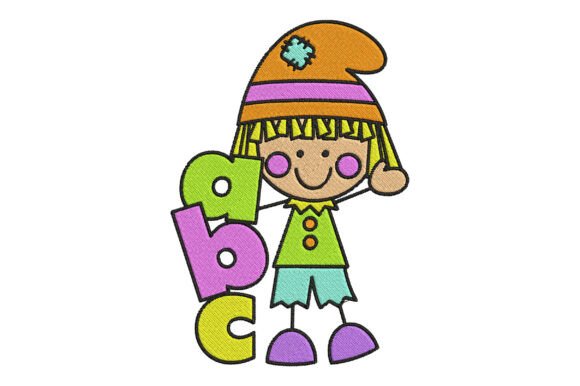
When you are looking for a way to combine education with creativity, the Cute Elf ABC Embroidery Design offers a charming solution. It is not just a file; it is a bridge between playful character art and foundational learning. For parents, teachers, or small business owners creating custom gifts, this design brings a cheerful kid character alongside colorful alphabet letters, making it an ideal choice for preschool-themed projects. However, simply downloading a digital file does not guarantee a perfect result. Understanding the nuances of digitization, fabric selection, and machine settings is crucial to avoiding common pitfalls that can ruin the aesthetic appeal of your work.
Understanding the Value of Digitized Educational Themes
The primary appeal of this specific design lies in its dual purpose: decoration and education. By featuring a cute kid and bright ABC letters, it creates an engaging narrative that resonates with young children. This makes it particularly effective for items destined for classrooms, daycare centers, or personal keepsakes. Unlike generic patterns, a well-executed educational theme adds emotional value to the finished product. Whether you are making a gift for a teacher or creating inventory for a boutique selling kids’ wear, the story behind the design matters as much as the stitching itself.
It is important to recognize that this is an instant digital download. There is no physical item shipped to you. The responsibility falls on the creator to ensure their equipment and materials are compatible with the digital file. Many beginners assume that any embroidery machine can handle any design immediately. This assumption often leads to frustration when stitches fail to form correctly or thread breaks excessively. Recognizing that the quality of the output depends heavily on the input settings and material choices is the first step toward success.
Common Mistakes When Using Cute Elf ABC Embroidery Design
One of the most frequent errors occurs during the preparation phase. Creators often overlook the importance of checking the stitch count and density before starting the machine. A design featuring multiple colors and detailed lettering requires precise tension adjustments. If the tension is too loose, the bobbin thread may show on the top surface, creating a messy appearance. If it is too tight, the fabric may pucker, distorting the shape of the elf or the clarity of the alphabet letters. To avoid this, always perform a test run on a scrap piece of the same fabric you intend to use.
Another significant oversight involves hoop placement and stabilizer choice. Because this design includes both a character and text, balancing the weight of the stitches across the hoop is essential. Placing the design off-center or using an inadequate stabilizer can lead to shifting during the stitching process. This shift causes misalignment between the elf and the ABC letters, ruining the visual harmony. Always use a cut-away stabilizer for knits or stretchy fabrics like t-shirts, and a tear-away for woven materials, ensuring the fabric remains taut and stable throughout the cycle.
The Danger of Ignoring Machine Compatibility
While the design claims compatibility with all major embroidery machines, "compatibility" does not mean "set it and forget it." Different brands have varying interpretations of color changes and jump trims. Some machines may require manual trimming of threads between color transitions, while others handle them automatically. Failing to consult your machine’s manual regarding the specific format of the downloaded file can result in skipped colors or tangled threads. Additionally, older machines might struggle with high-density satin stitches used in the lettering, leading to needle breakage. Upgrading to a newer needle or reducing the speed of the machine can mitigate these issues.
Selecting the Right Materials for Best Results
The choice of fabric plays a pivotal role in how the Cute Elf ABC Embroidery Design translates to the final product. For kids’ t-shirts, soft cotton blends are popular, but they require careful handling to prevent distortion. Heavy-duty fabrics may cause the needle to bend if the design has dense underlay stitches. Conversely, very thin fabrics might allow the stabilizer to show through if not removed properly. Consider the end use of the item. If it is for a school bag made of durable canvas, a heavier stabilizer is necessary. For a delicate preschool outfit, a lighter touch and finer thread are preferable.
Thread quality should never be compromised. Cheap polyester threads can shed, lint up, and weaken over time, especially after washing. High-quality rayon or polyester threads offer better sheen and durability, enhancing the vibrant colors of the alphabet letters. When choosing colors, consider the contrast between the elf’s features and the background fabric. Poor color selection can make details disappear, reducing the impact of the design. Testing different thread combinations on a swatch can help you achieve the desired vibrancy without guesswork.
Evaluating Your Project Before Committing
Before committing to a full-scale production run, whether for a personal gift or a small business order, evaluate the design’s scalability. Ensure that the size of the embroidery fits the intended garment or accessory appropriately. An oversized design on a small child’s shirt can look overwhelming, while a tiny design on a large backpack may get lost. Measure the hoop area against your fabric dimensions carefully. Also, consider the washability of the final product. Embroidered items often require gentle cycles to preserve the stitches and prevent fading. Informing your customers or recipients about proper care instructions adds value and ensures longevity.
Finally, think about the presentation. Since this is a digital purchase, the responsibility for customization rests entirely with you. Use this opportunity to add a personal touch, such as monogramming near the elf or selecting specific thread shades that match a child’s favorite colors. This level of personalization transforms a standard design into a unique treasure. By paying attention to these details—tension, stabilizers, fabric choice, and scaling—you can ensure that your project with the Cute Elf ABC Embroidery Design is not only visually appealing but also durable and professionally finished.
Practical Tips for Long-Term Satisfaction
- Always pre-wash fabrics: This prevents shrinkage after embroidery, which can distort the design.
- Check needle condition: A dull needle can damage fabric and cause thread breaks; replace it regularly.
- Use quality hoops: Magnetic or adjustable hoops provide better stability than cheap plastic ones.
- Save your settings: Document successful tension and speed settings for future runs of similar designs.
By approaching the Cute Elf ABC Embroidery Design with these practical considerations, you transform potential challenges into opportunities for excellence. The result is a beautiful, functional piece that celebrates learning and joy, perfectly suited for the many creative applications mentioned, from teacher gifts to cherished family heirlooms.