Reviving the Retro Soul: Why Honey Dream Font is the Perfect Choice for Modern Vintage Design
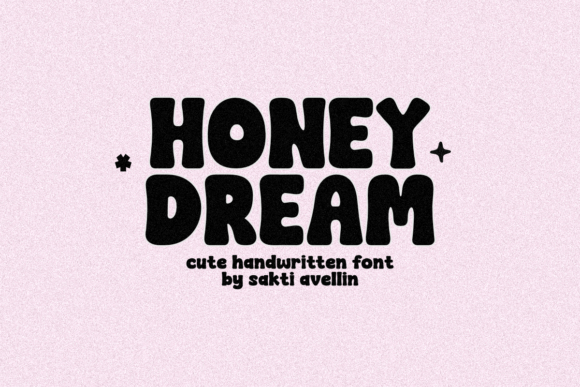
In an era where digital design often leans toward minimalism, sharp geometric lines, and ultra-clean sans-serif typefaces, there is a growing desire to inject warmth, nostalgia, and human touch into visual communication. This shift has given rise to a resurgence of retro aesthetics, particularly those rooted in the vibrant, expressive culture of the 1970s. At the heart of this movement is Honey Dream, a handwritten font designed specifically to bridge the gap between past charm and modern utility. With its bold, soft, and slightly bubbly shapes, this typeface exudes an authentic aura of joy, comfort, and creativity, making it an invaluable asset for designers, entrepreneurs, and content creators alike.
The Essence of Honey Dream: More Than Just a Typeface
To understand the value of Honey Dream, one must first look at what it represents typographically. It is not merely a collection of letters; it is a stylistic statement. The font captures the essence of 1970s graphic design—a decade known for its organic curves, warm color palettes, and a sense of unpretentious fun. Unlike rigid serif fonts or sterile modernist designs, Honey Dream features rounded edges and fluid strokes that mimic the natural flow of hand-lettering. This "bubbly" quality softens the viewer’s perception, creating an immediate emotional connection that feels friendly and approachable.
This aesthetic choice is significant because typography is no longer just about readability; it is about brand personality. When a designer chooses Honey Dream, they are signaling that their brand values authenticity, comfort, and perhaps a bit of whimsy. The font’s ability to convey these emotions makes it stand out in crowded digital feeds and physical marketplaces where consumers are constantly seeking brands that feel personal rather than corporate.
Perfect Applications for Lifestyle Brands and Small Businesses
The versatility of Honey Dream allows it to serve a wide array of industries, particularly those that rely heavily on visual storytelling and community engagement. For lifestyle brands, vintage cafes, bakeries, and organic skincare companies, the font acts as a visual shorthand for quality and care. Imagine walking into a boutique coffee shop where the menu board features the thick, inviting curves of Honey Dream. The font immediately suggests a space that is cozy, artisanal, and welcoming.
- Bakeries and Food Brands: The softness of the letters pairs beautifully with imagery of fresh bread, pastries, or organic ingredients, reinforcing the idea of homemade goodness.
- Organic Skincare: For brands selling natural products, Honey Dream provides a gentle, non-aggressive visual identity that aligns with the purity of their ingredients.
- Vintage Cafes: The retro vibe complements mid-century modern decor, creating a cohesive atmosphere that transports customers back to a simpler time.
Furthermore, this font excels in product packaging. In a retail environment where shelves are packed with similar-looking items, a package featuring Honey Dream stands out due to its distinct character. It suggests that the product inside is crafted with attention to detail and love, rather than mass-produced indifference.
Maximizing Social Media Presence with Retro Typography
In the digital age, social media is the primary storefront for many businesses. Platforms like Instagram, Pinterest, and TikTok require content that stops the scroll. Honey Dream is exceptionally well-suited for creating eye-catching social media assets. Its high contrast and bold shapes ensure legibility even at small sizes, which is crucial for mobile viewing.
Consider the use of Honey Dream for Reels covers or Pinterest pins. By overlaying the font on vibrant, retro-styled backgrounds, creators can create a consistent visual theme that is instantly recognizable. Whether it is a quote graphic, a promotional offer, or a behind-the-scenes peek, the font adds a layer of professionalism mixed with playful charm. This consistency helps build brand recall, encouraging users to engage with the content and follow the account.
Additionally, the font is ideal for event posters and greeting cards. For music festivals, art shows, or community gatherings with an "Old School" theme, Honey Dream sets the tone perfectly. It evokes the spirit of hand-painted flyers from the past while remaining crisp enough for modern printing technologies. Similarly, greeting cards benefit from the personal touch the font provides, making messages feel more intimate and heartfelt.
Merchandise and Physical Products: From T-Shirts to Stickers
One of the most practical applications of Honey Dream is in merchandise design. The fashion industry, particularly streetwear and casual wear, frequently draws inspiration from retro eras. T-shirts, tote bags, and hoodies featuring Honey Dream text appeal to consumers who appreciate nostalgia and unique style statements.
The font’s bold nature ensures that text remains clear when printed on various fabrics and materials. Whether embroidered on a cap or screen-printed on a tote bag, Honey Dream holds up well against wear and tear. Moreover, stickers are a low-cost, high-impact way to distribute brand awareness. A sticker sheet featuring Honey Dream quotes or logos can become a collectible item, further embedding the brand into the customer’s daily life.
For authors and publishers, Honey Dream is a powerful tool for book covers. It works exceptionally well for children’s books, where its playful shapes invite young readers, as well as adult fiction or memoirs that aim for a nostalgic or lighthearted tone. The font’s ability to convey emotion without words makes it a versatile choice for creative writing projects.
Clarifying Misconceptions: Handwritten Does Not Mean Unprofessional
A common misconception among novice designers is that handwritten fonts lack the seriousness required for professional branding. However, this is far from the truth. When executed correctly, as with Honey Dream, handwritten typefaces add a layer of sophistication through their uniqueness. They break the monotony of standard corporate fonts and demonstrate a level of creativity and effort that resonates with audiences.
It is important to note that while Honey Dream is a handwritten style, it is designed with precision. The "slightly bubbly" shapes are controlled, ensuring that the text remains readable and balanced. This balance between artistic flair and functional design is what makes it suitable for both casual and semi-formal contexts. Designers should avoid overusing the font in long paragraphs of body text, as its decorative nature is best utilized in headlines, titles, and short phrases where it can shine.
Building a Cohesive Retro Brand Identity
To fully leverage the power of Honey Dream, it is essential to pair it with complementary design elements. Since the font carries strong 1970s connotations, it works best when integrated with other retro-inspired visuals. Think warm earth tones, mustard yellows, burnt oranges, and deep greens. Pairing the font with textured backgrounds, such as grain or paper effects, can enhance the vintage feel.
However, the key to success lies in moderation. While Honey Dream is bold, it should be used strategically to highlight key messages rather than dominating every element of a design. Use it for the main logo, the headline of a poster, or the title of a book cover. Let other, simpler fonts handle the supporting information. This hierarchy ensures that the retro aesthetic enhances the design without overwhelming the viewer.
Conclusion: Embracing Nostalgia in Modern Design
In conclusion, Honey Dream is more than just a font; it is a gateway to a specific emotional experience. By bringing back the retro aesthetic of the 70s, it allows modern designers to tap into a universal sense of comfort and joy. Whether you are launching a new lifestyle brand, designing merchandise, or creating engaging social media content, Honey Dream offers a unique solution that stands out in a crowded digital landscape.
Its ability to convey friendliness, creativity, and authenticity makes it an indispensable tool for anyone looking to connect with their audience on a deeper level. As we continue to navigate an increasingly digital world, the human touch provided by fonts like Honey Dream reminds us of the importance of warmth and personality in our visual communications. By incorporating this versatile typeface into your projects, you are not just choosing a font; you are choosing to bring a piece of history’s most vibrant era into your present-day creations.