Evaluating the Dinosaur Monogram Alphabet Letter D for Personalized Embroidery Projects
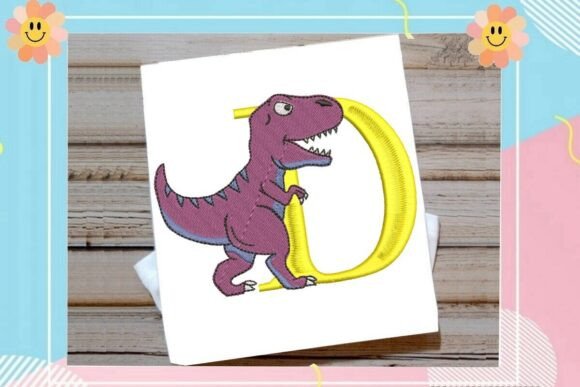
When selecting digital assets for custom embroidery, particularly for children’s apparel and nursery decor, the balance between aesthetic appeal and technical execution is critical. The Dinosaur Monogram Alphabet Letter D emerges as a specific design solution that merges classic typographic structures with playful, character-driven imagery. This particular file features a bold, bright yellow serif initial "D" being playfully embraced by a friendly cartoon purple T-Rex. The dinosaur showcases classic spine stripes and a toothy smile, creating a visual narrative that appeals to young audiences while maintaining professional-grade digitizing standards.
For parents, crafters, and small business owners looking to personalize items such as birthday shirts, backpacks, or quilt blocks, understanding the nuances of this design is essential. It is not merely a graphic; it is a high-density stitch pattern that requires specific fabric considerations to render correctly. This analysis explores the distinct characteristics of the Dinosaur Monogram Alphabet Letter D, compares it against broader categories of embroidery designs, and provides practical guidance on when this asset fits best within your creative workflow.
Design Composition and Aesthetic Appeal
The core strength of the Dinosaur Monogram Alphabet Letter D lies in its dual-layer composition. Unlike simple text files that rely solely on font density, this design integrates two distinct visual elements: the structural letterform and the character overlay. The initial "D" is rendered in a serif typeface, filled with a vibrant yellow that offers high contrast against most standard fabric colors. Serif fonts are traditionally associated with stability and readability, making them a popular choice for monograms where legibility is paramount.
Juxtaposed against this formal typography is the cartoon purple T-Rex. The choice of a purple hue for the dinosaur creates a complementary color scheme with the yellow letter, enhancing visual interest without causing clashing. The character is designed with soft curves and expressive features, including spine stripes and a smiling face, which soften the rigidity of the serif font. This combination results in a design that feels both structured and whimsical, a quality that is highly sought after in toddler fashion and nursery themes.
The "hugging" pose of the dinosaur around the letter adds a layer of emotional resonance to the design. It transforms a static letter into an interactive scene, suggesting friendship and comfort. For projects aimed at children, this emotional connection can be a deciding factor. Parents often gravitate toward designs that convey warmth and approachability, and the interaction between the letter and the dinosaur achieves this effectively.
Technical Execution and Digitizing Quality
In the realm of machine embroidery, the difference between a good design and a great one often comes down to digitizing quality. The Dinosaur Monogram Alphabet Letter D is described as having professional, high-density digitizing. This terminology refers to the way the digital code translates into physical stitches. High-density stitching ensures that the design sits firmly on the fabric, reducing the likelihood of puckering or thread breaks during the sewing process.
For the letter "D," the structural fill must be consistent to maintain its shape. If the density is too low, the underlying fabric may show through, ruining the crispness of the monogram. Conversely, if the density is too high, the fabric may become stiff and uncomfortable, particularly on garments like hoodies or t-shirts worn by toddlers. The successful execution of this design implies a careful calibration of stitch count and tension.
The intricate dinosaur overlay presents a different technical challenge. Cartoon characters often require varied stitch directions to create shading and depth. The spine stripes and facial features of the T-Rex demand precise placement to ensure they remain recognizable after stitching. A lower-quality digitization might result in blurred details or misaligned colors, whereas the high-density approach mentioned ensures that these details stitch out crisply across various fabric types. This reliability is crucial for users who may be working with different materials, from cotton blends to polyester fleece.
Comparing Monogram Styles: Typography vs. Character Integration
When exploring options for personalized gear, consumers typically encounter two main categories of design: pure typography and character-integrated monograms. Pure typography designs rely entirely on the font choice, spacing, and embellishments like swirls or borders. While elegant and versatile, they can sometimes lack the immediate visual impact required for younger demographics.
Character-integrated designs, like the Dinosaur Monogram Alphabet Letter D, offer a higher level of thematic specificity. They are immediately identifiable by their subject matter. For a child named Daniel or Dakota, seeing their initial wrapped by a dinosaur is more engaging than a standalone letter. However, this specificity comes with trade-offs. A pure typography design is easier to reskin or recolor digitally before stitching, offering greater flexibility for last-minute changes. In contrast, a complex character design like the T-Rex monogram is fixed in its color palette and form.
Furthermore, character designs often have larger overall dimensions due to the inclusion of the illustration. This size increase can affect the cost of materials, especially if using premium threads or specialty fabrics. Users must weigh the desire for a unique, themed look against the potential increase in material usage and hoop space requirements. For small items like pencil cases or bibs, the size of the Dinosaur Monogram Alphabet Letter D must be carefully considered to ensure it does not overwhelm the canvas.
Application Scenarios and Best-Fit Situations
Identifying the right use case is vital for maximizing the value of this embroidery file. The design’s vibrant colors and playful nature make it exceptionally well-suited for celebratory and personal items. Below are several scenarios where this design excels:
- Birthday Apparel: Custom t-shirts for a child’s first or second birthday often benefit from bold, colorful graphics. The yellow and purple combination stands out in photographs and captures attention in party settings.
- School Accessories: Personalized backpacks and lunch bags are common targets for monogramming. The durability of high-density stitching makes this design ideal for items that will undergo frequent washing and rough handling.
- Nursery Decor: Name banners and quilt blocks require designs that are visually soothing yet engaging. The friendly demeanor of the T-Rex adds a comforting element to a child’s room, making it a suitable choice for wall hangings or bedding accents.
- Toddler Hoodies: For cooler weather, embroidered hoodies provide a cozy gift option. The sturdy construction of the embroidery holds up well to the thicker fabric of hoodies, preventing the design from getting lost in the texture.
However, there are situations where this design might not be the optimal choice. For formal events or minimalist aesthetics, the cartoonish nature of the T-Rex may feel out of place. Additionally, if the user is working with very light-colored fabrics, the bright yellow of the letter "D" might lack sufficient contrast, depending on the specific shade of the fabric. In such cases, a darker thread color or a different monogram style might be preferable.
Decision Factors and Practical Considerations
Before purchasing or downloading the Dinosaur Monogram Alphabet Letter D, several practical factors should be evaluated. First, consider the embroidery machine’s capabilities. High-density designs require machines that can handle tight stitch counts without skipping. Older or entry-level machines may struggle with the complexity of the character overlay, potentially leading to imperfect results.
Fabric selection is another critical variable. Natural fibers like cotton and linen generally accept embroidery stitches well, providing a stable base for the design. Synthetic blends can also work but may require stabilizers to prevent shifting. Delicate fabrics such as silk or thin chiffon are poor candidates for high-density digitizing, as the weight of the stitches could distort the material. Testing the design on a scrap piece of the intended fabric is always recommended to assess how the colors interact and how the stiffness of the final product feels.
Finally, consider the longevity of the design’s appeal. Trends in children’s themes can shift rapidly. While dinosaurs remain a perennial favorite, some parents may prefer more neutral or timeless designs. The Dinosaur Monogram Alphabet Letter D is a strong choice for those committed to a prehistoric theme, but it lacks the versatility of a plain monogram that could transition from childhood to teenage years with minimal change.
Conclusion on Suitability
The Dinosaur Monogram Alphabet Letter D represents a specialized tool in the world of personalized embroidery. It combines the clarity of serif typography with the charm of cartoon illustration, resulting in a design that is both functional and fun. Its high-density digitizing ensures professional results, provided that appropriate fabrics and equipment are used. While it may not suit every project—particularly those requiring subtlety or extreme fabric delicacy—it stands out as an excellent option for creating memorable, themed gifts and apparel for young children. By understanding its strengths and limitations, users can make informed decisions that lead to successful and satisfying embroidery outcomes.